Comparing Fotona Laser Treatments to Other Skin Resurfacing Options
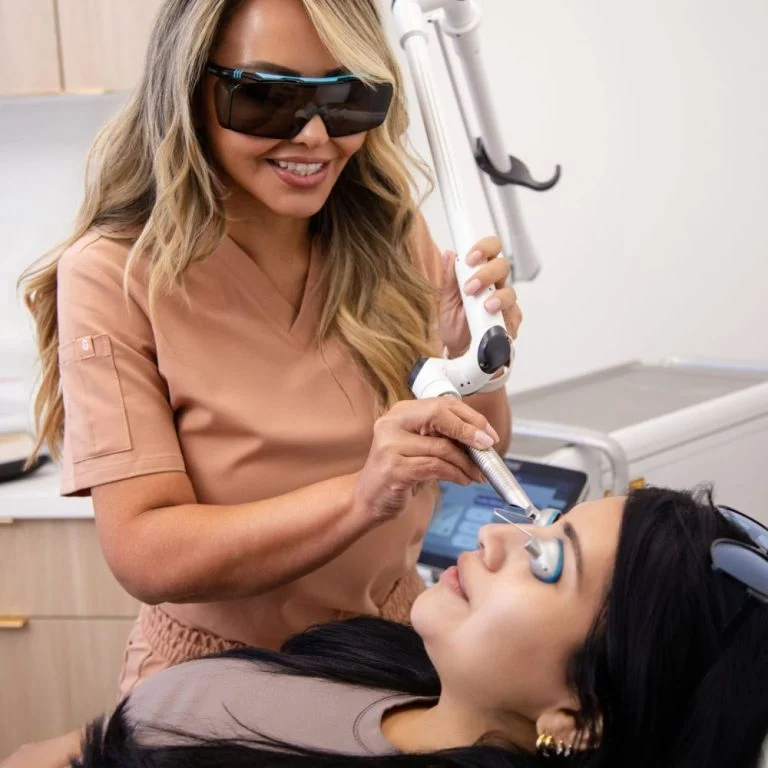
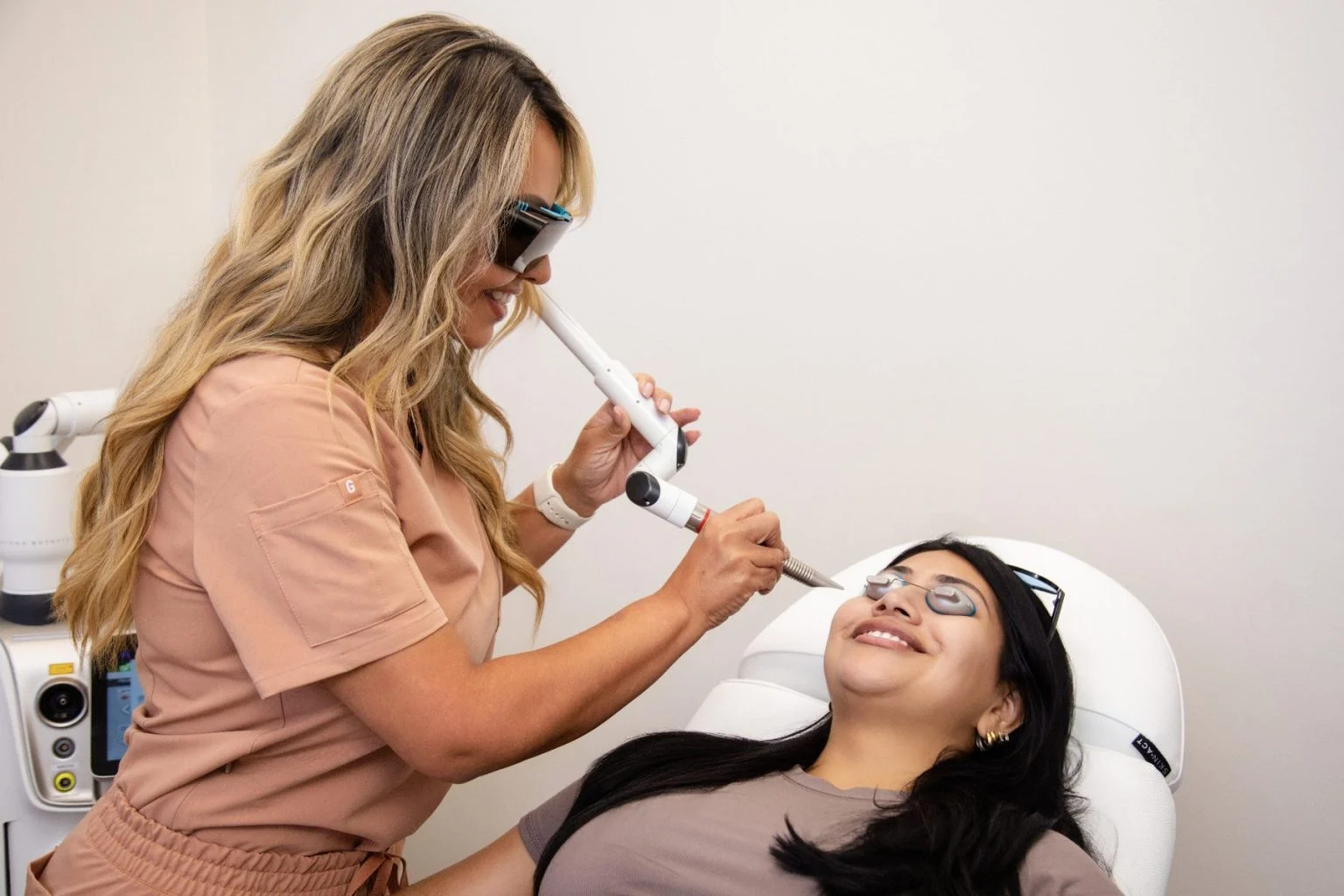
Skin resurfacing is one of those categories that sounds simple until you sit down and compare the actual options. Patients often come in asking for "laser resurfacing" as if it were a single treatment. It is not. The difference between a Fotona treatment, a fractional CO2 session, a radiofrequency microneedling series, or a medium-depth peel can mean the difference between a few pink days and two weeks of social downtime, between subtle collagen remodeling and dramatic texture change, between a treatment that works beautifully for melasma-prone skin and one that can stir up pigmentation.
That is why comparisons matter. The right device is not the one with the loudest marketing. It is the one that matches the skin problem, the patient’s tolerance for downtime, the timing of the event calendar, the skin tone, and the budget for maintenance. Fotona Laser Treatments sit in an interesting middle ground. They are versatile, often more tolerable than older resurfacing systems, and capable of respectable results across wrinkles, texture, acne scarring, enlarged pores, and laxity. But they are not automatically the best choice for every face.
What makes Fotona different
Fotona is a laser platform rather than a single one-note treatment. That distinction matters. Depending on the handpiece, wavelength, pulse mode, and treatment protocol, it can target superficial texture, deeper dermal remodeling, vascular issues, and even intraoral tissue for tightening effects in some protocols. The systems most commonly discussed in aesthetic practice use Er:YAG and Nd:YAG wavelengths, either separately or in combination.
The Er:YAG side is known for precise ablation with relatively limited thermal spread compared with classic CO2 lasers. In practical terms, that usually means less collateral heat, faster re-epithelialization, and a recovery profile that many patients find easier to manage. The trade-off is that if you want aggressive one-session correction for severe wrinkling or heavy acne scarring, traditional ablative CO2 can still hit harder.
The Nd:YAG side contributes a different set of capabilities. It can support deeper heating, collagen stimulation, and treatments that focus less on peeling the surface and more on tightening and remodeling from within. Some of the most popular Fotona Laser Treatments combine these strengths into layered protocols. A good example is the so-called 4D-style approach, where different steps address both superficial and deeper structures rather than relying on one pass and one mechanism.
This flexibility is one reason experienced clinicians like the platform. It gives room to customize. That said, flexibility only helps if the operator knows how to use it. A sophisticated platform in inexperienced hands can still produce underwhelming results.
What people usually mean by “other resurfacing options”
When someone compares Fotona against the field, they are usually talking about one of five categories: fractional CO2 lasers, non-ablative fractional lasers such as 1540 or 1550 systems, radiofrequency microneedling, chemical peels, and microneedling. Each occupies a different place on the spectrum of intensity, cost, and recovery.
Fractional CO2 is often considered the benchmark for stronger resurfacing. It can make a real dent in etched-in lines, crepey texture, and some scar patterns, especially when settings are pushed and recovery is respected. The price for that power is downtime. Oozing, crusting, swelling, and redness are not unusual, and post-inflammatory hyperpigmentation becomes a more meaningful concern in darker or reactive skin.
Non-ablative fractional lasers aim for collagen induction with https://maps.app.goo.gl/qXD4j3287tCBo42W7 less disruption of the surface. They generally involve a series, deliver modest but worthwhile improvements, and come with less social downtime. Radiofrequency microneedling works through controlled injury and heat delivered into the dermis through insulated or non-insulated needles. It can be very useful for acne scars, pores, and skin quality, especially in skin tones where pigment risk makes some lasers less attractive. Chemical peels range from light brightening procedures to medium-depth resurfacing that can compete with some energy-based treatments for dyschromia and texture. Standard microneedling is the gentler cousin, often chosen for maintenance or for patients who want low downtime and gradual improvement.
The fact that all of these can help "skin texture" is exactly why consultations can get muddy. Similar goals do not mean equal outcomes.
The real comparison: results, downtime, and control
The most useful way to compare resurfacing treatments is not by hype or trend, but by four questions. How much improvement can you realistically expect? How many sessions will it take? What is the recovery like? How much operator control is available for different skin types and concerns?
Fotona tends to score well on balance. It offers meaningful improvement without always forcing the patient into the heavier downtime that classic ablative laser often demands. That makes it appealing for busy professionals, people easing into laser treatment for the first time, and those who want to stack gains over a series rather than disappear for ten days after one aggressive session.
Where Fotona can shine is in treating early to moderate photoaging, fine lines around the mouth or eyes, rough texture, enlarged pores, mild to moderate acne scarring, and overall skin vitality. It is particularly appealing when the treatment plan includes both tightening and resurfacing rather than one or the other. Patients often describe the skin after a well-executed series as smoother, brighter, and firmer, with makeup sitting better and pores looking less obvious under natural light. Those subtle quality changes matter more than many people expect.
Still, "balanced" is not synonymous with "strongest." If a patient has deep smoker’s lines, advanced sun damage, or long-standing boxcar scars, Fotona may improve the landscape, but a fully ablative CO2 treatment, sometimes combined with focal scar techniques, can still provide the bigger leap. The problem is that not everyone wants that leap badly enough to pay the recovery cost.
Fotona versus fractional CO2
This is the comparison that comes up most often, and for good reason. Both can resurface. Both can stimulate collagen. Both can improve wrinkles and scars. Yet they feel very different in actual practice.
Fractional CO2 generally produces more thermal injury. That heat can be useful because it drives collagen remodeling and tissue contraction, but it also prolongs healing and increases the intensity of aftercare. Patients often look significantly treated for a week or more, then remain pink for additional time. Some love that because they want the biggest result they can get from one major intervention. Others regret underestimating how visible the healing process is.
Fotona Er:YAG-based resurfacing is often more precise and somewhat kinder in recovery. The redness is typically easier to hide sooner, and the skin can feel less raw during healing. For the right patient, that can be the deciding factor. It is not unusual for someone to choose three moderate Fotona sessions over one aggressive CO2 session simply because they cannot clear their calendar or do not want to risk prolonged redness before an important season of work or travel.
For pigmentation-prone patients, the lower thermal burden of Er:YAG can also be attractive. That does not make it risk free. Any resurfacing can trigger post-inflammatory hyperpigmentation, especially in melanin-rich skin or in people with a history of reacting strongly to irritation. But in many practices, Er:YAG-based protocols are approached with more confidence than hotter, more aggressive systems when pigment is a concern.
The trade-off is visible in before-and-after expectations. Severe damage often responds more dramatically to CO2. Mild to moderate damage often responds very satisfyingly to Fotona with less drama attached.
Fotona versus non-ablative fractional lasers
This is where Fotona often looks especially strong. Non-ablative fractional systems have a deserved place in practice. They are useful, generally safer in a wider range of skin types, and can improve fine lines, pigment, and texture over time. The drawback is that many patients find the progress underwhelming if they expect one treatment to change the mirror.
Compared with a standard non-ablative fractional series, Fotona protocols that include ablative Er:YAG components can deliver a more noticeable change in surface texture and pore appearance. The skin often feels smoother faster. Fine lines may soften more clearly. The patient also usually knows they had something done, because the recovery is more tangible than a light non-ablative session.
On the other hand, if the patient’s priority is minimal interruption, a non-ablative fractional treatment may still win. There is a category of patient who would rather accept slower progress than deal with visible peeling or even a few days of looking pink and windburned. For them, convenience is part of efficacy because it keeps them compliant with the plan.
Fotona versus radiofrequency microneedling
These two are often recommended for similar concerns, particularly acne scarring, enlarged pores, and skin tightening. Yet they work differently enough that the better choice can be obvious once the skin is examined closely.
Radiofrequency microneedling can be excellent for rolling scars, textural irregularity, and collagen support, especially when there is concern about post-laser pigmentation. It bypasses some of the limitations of surface-focused treatments because the injury is delivered deeper in the dermis. In skin of color, many clinicians lean toward RF microneedling as a safer first-line device than aggressive resurfacing lasers.
Fotona, especially when using resurfacing settings, can outperform RF microneedling for superficial roughness, fine lines, and that thin, sun-weathered quality that sits on the skin’s surface. If someone says, "My skin feels dull, crepey, and uneven when the light hits it," Fotona may fit the complaint more directly. If they say, "I have pitted acne scars and some laxity in the lower face," RF microneedling may move higher on the list, or the two may be combined in a staged treatment plan.
The sensation during treatment also differs. Many patients tolerate topical numbing and RF microneedling reasonably well, though some areas can be spicy. Fotona’s comfort level varies widely depending on the depth and protocol. More intensive resurfacing may need stronger numbing support and more detailed post-care.
Fotona versus chemical peels and microneedling
Not every resurfacing conversation has to end in a machine. A well-chosen peel can be surprisingly effective, particularly for pigment, sallowness, acne, and mild texture. Medium-depth peels, in the right hands, can deliver meaningful brightening and smoothing at a lower price point than many laser sessions. For certain types of sun damage and superficial dyschromia, they remain a smart choice.
Where peels lose ground is in precision and depth control across complex goals. A peel does not offer the same tailoring of thermal effect, tissue interaction, and layered remodeling that a sophisticated laser protocol can provide. It can also be less predictable in patients with reactive skin, barrier damage, or a history of pigment swings.
Microneedling is usually the lower-intensity option in this comparison. It can improve texture gradually, enhance topical penetration, and help maintain results. But compared with Fotona Laser Treatments, standard microneedling is usually playing in a lighter league. Patients with established wrinkles, etched texture, or visible sun damage often need something stronger if they want a result that stands out without ideal lighting.
A practical side-by-side view
| Treatment option | Typical strengths | Typical downtime | Best fit | | --- | --- | --- | --- | | Fotona Er:YAG or combination protocols | Fine lines, texture, pores, mild to moderate scars, collagen support | A few days to about a week, depending on intensity | Patients wanting noticeable improvement with moderate recovery | | Fractional CO2 | Deeper wrinkles, heavier sun damage, stronger scar revision | About 7 to 14 days of visible healing, sometimes longer redness | Patients prioritizing maximum correction over downtime | | Non-ablative fractional laser | Gradual collagen stimulation, mild texture, pigment support | Usually 1 to 3 days of mild redness or swelling | Patients wanting lower downtime and a series approach | | RF microneedling | Acne scars, pores, tightening, broader skin-tone compatibility | Usually 1 to 4 days of redness and swelling | Patients focused on dermal remodeling, especially with pigment concerns | | Medium-depth peel | Pigment, brightness, mild texture, acne support | Several days to a week of peeling | Patients wanting a lower-tech, often lower-cost resurfacing option |
The ranges matter because settings matter. A conservative Fotona pass is not the same as a more aggressive resurfacing session. Likewise, one office’s RF microneedling protocol may be far more assertive than another’s. Device names do not guarantee equivalent treatment intensity.
When Fotona is the smarter choice
In practice, Fotona tends to make the most sense when the patient is looking for visible refinement rather than a once-and-done overhaul. It is often a strong option for men and women in their thirties through sixties who are beginning to notice skin quality changes, fine wrinkling, enlarged pores, and early laxity. It also suits patients who want a treatment plan that can evolve, starting lighter, then escalating if the skin responds well and the recovery feels manageable.
I have seen some of the happiest resurfacing patients in this category. They are not chasing perfection. They want to look fresher, more rested, and less creased around the mouth, with better texture across the cheeks. They care about whether people notice they look well, not whether anyone asks what device was used. Fotona can be very good at producing that kind of improvement.
It is also useful for patients who have done lighter treatments and are ready for something with more impact, but still do not want the commitment of a stronger CO2 recovery. That in-between position is where Fotona often earns its reputation.
When another option may be better
There are also clear cases where another treatment deserves the lead role.
If the skin shows deep etched wrinkles, heavy actinic damage, or severe scarring, fully or strongly fractional ablative CO2 may still offer the highest ceiling for improvement. If the patient has deeper dermal scar tethering or significant laxity in melanin-rich skin, RF microneedling may be the safer first move. If the problem is primarily pigment and dullness with only minor texture change, a peel series or pigment-focused laser may be more efficient and more economical.
The biggest mistake I see is trying to force one treatment to solve a problem it was not designed to solve well. A person with melasma does not necessarily need resurfacing first. A person with active acne may need inflammation controlled before any texture procedure begins. A person hoping to erase ice-pick scars with a broad resurfacing treatment alone may be disappointed without scar-specific techniques.
The importance of skin type and medical history
No comparison is complete without discussing skin type, because safety is not evenly distributed across all resurfacing options. Darker Fitzpatrick skin types, patients with a history of post-inflammatory hyperpigmentation, those prone to melasma, and anyone with recent tanning need extra caution. That caution applies regardless of how appealing the treatment sounds.
Fotona can be adapted thoughtfully, but it is not automatically the safest choice in every skin tone. A conservative plan with pretreatment pigment control, strict sun avoidance, and measured settings may be appropriate. In other cases, a clinician may steer the patient toward RF microneedling or a peel protocol first. That is not a downgrade. It is good judgment.
Cold sores, isotretinoin history, keloid tendency, active dermatitis, rosacea flare patterns, and delayed wound healing also matter. Resurfacing is elective medicine. The best practitioners are selective because avoidable complications are rarely worth the gamble.
Questions worth asking before you choose
If you are trying to decide among resurfacing treatments, these questions usually cut through the noise:
- What specific problem am I treating, pigment, wrinkles, pores, scars, or laxity?
- How much visible downtime can I honestly manage?
- Is my skin tone or history likely to increase pigment risk?
- Am I looking for one stronger treatment or a series of moderate treatments?
- How experienced is the person performing this exact protocol?
Those answers often narrow the field quickly. A patient wanting major scar revision with two weeks available for healing is shopping in a different category than a bride-to-be wanting a brighter, smoother look with no prolonged redness.
Results are rarely one treatment deep
One final reality check helps set expectations. Skin resurfacing works best when it sits inside a broader skin plan. Sun protection, topical retinoids when appropriate, pigment management, acne control, and maintenance treatments all shape the final result. Even the best Fotona session cannot outwork daily UV exposure or chronic inflammation.
That does not make resurfacing less valuable. It makes it more strategic. A thoughtful series of Fotona Laser Treatments can significantly improve skin quality and age-related texture change. For many patients, it hits the sweet spot between visible payoff and manageable recovery. For others, especially those needing stronger correction or safer options for their skin type, another resurfacing tool may be the wiser choice.
The goal is not to pick the most impressive technology on paper. It is to choose the treatment that fits the skin in front of you, the life being lived around it, and the result that actually matters when the mirror is not forgiving.
OMNIA Wellness Center
Address: 16430 Ventura Blvd Ste 207, Encino, CA 91436
Phone number: +18183868511
FAQ About Fotona Laser Treatments
What is a Fotona laser good for?
A Fotona Laser system is a versatile, dual-wavelength medical laser used primarily for non-surgical skin tightening, anti-aging rejuvenation, and dermatological treatments.
How much does the Fotona laser cost?
The cost of a Fotona laser depends heavily on whether you are looking to purchase a laser machine for a medical practice or are a patient seeking a laser treatment at a medspa.
Is a Fotona laser worth it?
A Fotona laser treatment is generally worth it if you want non-surgical skin tightening, improved texture, and collagen stimulation with very little downtime.