Fotona Laser Treatments for Confidence-Boosting Skin Results
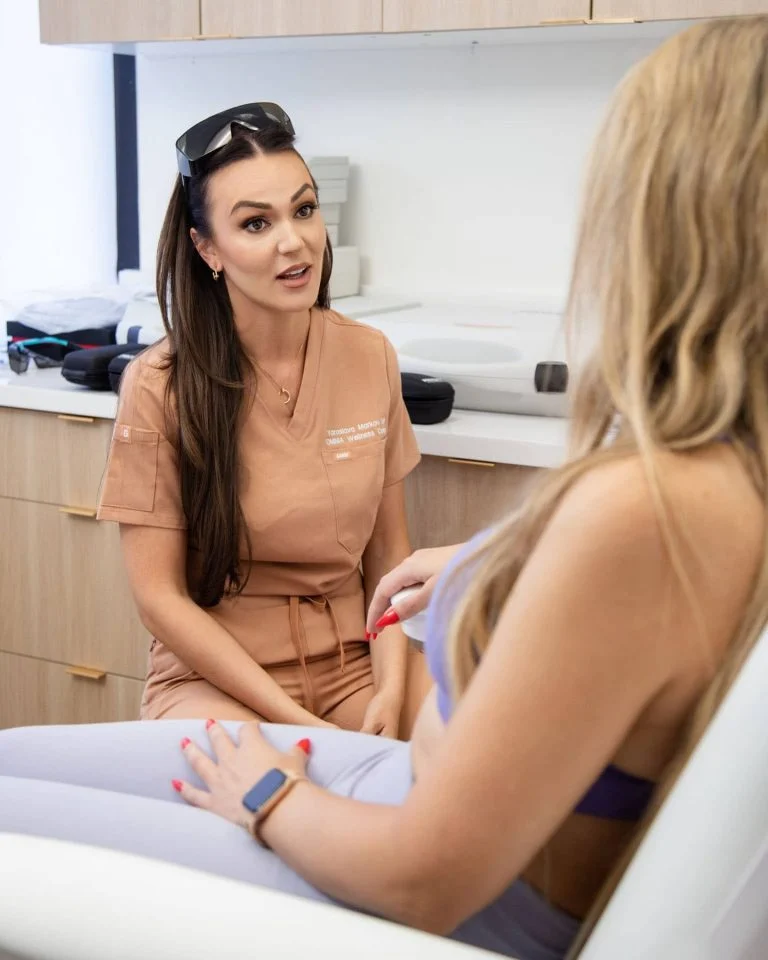
Confidence and skin quality have a close, complicated relationship. Most people do not expect perfection when they look in the mirror. What they want is steadiness. They want their skin to look rested, smoother, clearer, and more like itself on a good day. When redness lingers, acne scars catch the light, pores look enlarged, or the jawline starts to soften, confidence often drops in ways that feel surprisingly personal.
That is where Fotona Laser Treatments have earned a strong reputation. Not because they promise magic, and certainly not because every patient needs the same setting or protocol, but because the platform gives experienced practitioners a flexible way to treat several common concerns with precision. In the right hands, Fotona can improve texture, stimulate collagen, soften pigment issues, reduce vascular redness, and refine signs of aging, all while allowing the treatment plan to be adjusted to the patient rather than the other way around.
People often come in asking for “laser” as if it were one single thing. It is not. The word covers a broad category of technologies with different wavelengths, targets, and treatment depths. What makes Fotona especially useful in practice is that it can combine multiple approaches within one system. That versatility matters. Skin concerns rarely show up one at a time. A patient might have fine lines around the mouth, acne scarring on the cheeks, and general dullness everywhere else. A one-note treatment often falls short in that kind of situation.
Why Fotona stands out in real practice
A good skin treatment has to balance results, downtime, comfort, and safety. That balancing act is where many devices either shine or disappoint. Some produce dramatic change but require a long recovery. Others are very gentle and pleasant, but patients struggle to see enough visible improvement to feel the investment was worthwhile.
Fotona sits in a useful middle ground because it can be tailored with surprising nuance. The system is known for using Er:YAG and Nd:YAG wavelengths, each with different strengths. In clinic settings, this allows providers to work superficially or deeper, depending on the concern. Surface irregularities and textural issues can be approached differently from deeper collagen remodeling or vascular concerns. That range is not just a technical talking point. It affects the actual patient experience. It means someone with early fine lines may be treated quite differently from someone with deeper acne scars or moderate laxity.
Another practical advantage is the ability to stack treatments. A provider may combine modes to target both the outer skin and the deeper support structure. Patients tend to appreciate this because skin aging is not only about what they can see on the surface. It is also about collagen decline, slower turnover, and structural changes under the skin. When a treatment plan addresses both layers, results often look more natural. The skin does not simply appear polished. It appears healthier.
The confidence factor is not superficial
People sometimes feel awkward admitting how much their skin affects their self-esteem. In clinic conversations, I have seen patients downplay concerns that are clearly bothering them every day. They will say, “It’s not a big deal,” and then describe changing their makeup routine, avoiding bright lighting, skipping photos, or feeling distracted during work meetings because of one persistent issue.
That response is understandable. Skin sits at the center of social interaction. It is visible in every conversation. When treatment goes well, the confidence boost often has less to do with vanity than with relief. Patients stop thinking about the concern every few minutes. They put less energy into hiding. That shift is real, and it matters.
The best results are often the ones other people cannot identify as a procedure. Friends may say a person looks fresher or more rested without knowing why. That is usually the sweet spot. Fotona Laser Treatments can be particularly effective here because they often improve quality rather than creating an obvious altered look. Texture becomes smoother. Fine lines soften. Skin tone looks more even. These are meaningful changes, but they tend to read as healthy rather than artificial.
What Fotona can address well
The range of concerns that can be treated is one of the reasons this platform gets so much attention. That said, “can treat” and “best option” are not always the same thing. A skilled provider should be honest about where Fotona excels, where it helps moderately, and where another modality might make more sense.
For textural improvement, Fotona is often a strong choice. Fine lines, crepey areas, enlarged pores, and superficial acne scarring can respond well, especially when resurfacing settings are chosen thoughtfully. Deeper scars can improve too, though patients need to understand that severe scarring usually requires a series and often benefits from combination treatment rather than a single laser course alone.
For skin laxity, outcomes depend heavily on age, anatomy, and degree of looseness. Early to moderate laxity can improve with collagen-stimulating approaches. Patients in their thirties to fifties with mild softening often notice firmer skin and better contour definition. More advanced sagging is a different story. No responsible provider should present laser tightening as a substitute for surgery when surgery is clearly the more effective option.
Pigmentation is another area where judgment matters. Some pigment issues respond well, especially when the diagnosis is accurate and the settings are chosen conservatively. Others, such as melasma, can be stubborn and easy to flare if treated too aggressively. In those cases, restraint is part of expertise. The most ethical treatment may be a slower, more layered plan that includes skincare and sun management rather than repeated high-energy sessions.
Redness and vascular concerns may also respond, depending on the specific condition and the wavelength used. Diffuse redness, small visible vessels, and a chronically flushed look can improve, though outcomes vary. Skin with active rosacea requires careful handling. The treatment may help, but it can also aggravate sensitive skin if the plan ignores the inflammatory component.
The treatment experience, honestly described
Many patients walk in worried about two things, pain and downtime. Both matter, and both depend on the exact protocol being used.
A lighter Fotona session may feel warm, prickly, or snappy, with redness lasting from a few hours to a couple of days. A more intensive resurfacing treatment is a different experience. It can involve stronger heat, a more noticeable recovery, and a few days where the skin feels tight, rough, and visibly pink or bronzed. Tiny grid marks or a sandpapery texture can appear as the skin renews. For some patients, that is entirely manageable. For others, especially those with public-facing jobs or social commitments, it requires planning.
This is where consultation quality becomes very important. A provider should tell you what recovery will look like in plain terms, not in the softened language of marketing. “Minimal downtime” means very different things to different people. To a clinic, it may mean you are medically safe to resume normal activity. To a patient, it may mean they feel comfortable attending a meeting without makeup. Those are not equivalent.
Comfort measures also vary. Numbing cream is commonly used for certain treatments. Cooling, careful technique, and conservative first sessions all help. Patients with low pain tolerance usually do better when expectations are set properly. Surprisingly often, people say the procedure was easier than expected once they understood what each phase would feel like.
Results that build instead of appear overnight
One of the most useful conversations to have before any laser treatment is about timing. Some improvement can show up fairly quickly, particularly in brightness and surface smoothness once the skin recovers. Collagen-driven change, however, takes longer. The body needs time to remodel tissue. This means the full benefit from Fotona Laser Treatments often unfolds over weeks to months.
That slower arc can actually work in the patient’s favor. A gradual improvement tends to look believable. Instead of one abrupt shift, the skin becomes incrementally better. Fine lines soften. Texture evens out. Firmness improves. By the time others notice, the change often seems natural.
A realistic range for initial treatment planning is usually a series rather than a single session, especially for texture, scarring, or laxity. The exact number depends on goals, skin condition, and how aggressively the provider wants to treat. Three sessions is a common starting framework in many clinics, though some patients need fewer and others need more. Maintenance may also be recommended, particularly for age-related concerns or ongoing collagen support.
Good candidates usually share a few traits
Not everyone is an ideal laser candidate at every moment. Timing, skin health, recent sun exposure, medications, and underlying conditions all matter. The patients who do best are often the ones who want visible improvement and understand that treatment is a process rather than a single event.
- They have a clearly defined concern, such as acne scarring, fine lines, early laxity, or uneven texture.
- They can commit to sun protection before and after treatment.
- They are willing to follow aftercare rather than treating the session like a quick errand.
- They have realistic expectations about the pace and degree of change.
- They are honest about medical history, active breakouts, pigmentation tendencies, and previous procedures.
That last point is easy to overlook, but it makes a difference. A patient who has a history of post-inflammatory hyperpigmentation, cold sores, isotretinoin use, or repeated reactions to skincare needs a more careful plan. None of those factors automatically rule out treatment, but they do change how a safe provider approaches it.
Skin tone, safety, and the importance of customization
Laser safety is never one-size-fits-all. This is especially true across different skin tones. Darker skin tones can absolutely be treated, but the treatment must respect melanin activity and the risk of pigment disruption. Safer settings, proper spacing, accurate diagnosis, and pre-treatment skin conditioning can all reduce the chance of post-inflammatory hyperpigmentation.
The biggest mistake in cosmetic dermatology is often not technical incompetence in the dramatic sense. It is overconfidence. A provider sees a device that can do many things and assumes more energy equals better results. In reality, a conservative, thoughtful series often outperforms an aggressive single treatment, particularly in reactive skin or skin of color.
Patients should feel comfortable asking how often the provider treats their skin type and concern. That is not being difficult. It is being sensible. A skilled practitioner should be able to explain why a particular mode or setting range makes sense for your goals and what trade-offs come with it. If the answer sounds vague or promotional, that is a warning sign.
Where Fotona performs especially well for visible confidence gains
From a patient satisfaction standpoint, there are certain scenarios where this type of laser treatment tends to produce a strong emotional payoff.
Acne scarring is one. Even moderate improvement in scar depth can change how the face catches light. That matters more than many people realize. When rolling or boxcar scars look softer, the skin often appears smoother from normal conversational distance, not just in magnified mirrors. Patients frequently report that they need less makeup or feel less self-conscious under overhead lighting.
Perioral lines are another high-impact area. Fine lines around the mouth can make the lower face look tired earlier than expected. Careful resurfacing or collagen stimulation in this region can create a fresher appearance without changing facial character.
Mild lower face laxity also tends to carry a confidence reward that exceeds the numerical degree of improvement. A patient may not look dramatically different, but a firmer jawline or less crepiness under the chin often makes them feel more polished and less fatigued.
Then there is overall skin quality, which is harder to measure but easy to notice. Patients sometimes come in unable to articulate what bothers them beyond saying their skin has “lost something.” They usually mean bounce, radiance, or smoothness. Restoring those qualities, even modestly, can make a person feel much more like themselves.
The trade-offs patients should hear before saying yes
No worthwhile aesthetic treatment is free of compromise. Fotona Laser Treatments are no exception. The first trade-off is simple: stronger results usually mean more downtime. If someone wants to improve acne scars, etched lines, and texture significantly, they should expect at least some visible recovery.
The second trade-off is cost versus cumulative benefit. Laser treatments are an investment, and the best outcomes often come from a series plus maintenance. Patients should think beyond the price of one session and ask what the whole plan is likely to involve over six to twelve months.
The third trade-off is patience. Results build. That is often a positive for natural-looking change, but it can frustrate patients who expect a one-week transformation.
There is also the issue of overlap with other treatments. Sometimes Fotona is the right centerpoint of a plan. Other times it is only one piece. Deep acne scars may also need subcision. Dynamic wrinkles may still benefit from neuromodulators. Volume loss will not be corrected by laser alone. Pigment management may require targeted skincare and strict sun avoidance. A good provider does not force every concern into one device.
Pairing laser treatment with good skincare
Laser results hold better when the skin is supported between sessions. That does not mean buying an entire shelf of products. It means using the right basics consistently and introducing stronger actives at the right time.
Cleansers should be gentle, especially in the first week after treatment. Barrier-repair moisturizers help reduce unnecessary irritation. Sunscreen is non-negotiable. That word gets overused, but in laser aftercare it is completely justified. Freshly treated skin is more vulnerable, and unprotected sun exposure can compromise both safety and results.
Once the skin has healed and the provider clears it, ingredients like retinoids, vitamin C, azelaic acid, or pigment-regulating formulas may be brought back in or added strategically. The mistake many patients make is assuming more stimulation is always https://tysonzbeb234.zenbloomer.com/posts/fotona-laser-treatments-for-smoother-skin-texture-over-time better. It is not. Post-laser skin often looks best when irritation is controlled rather than constantly provoked.
What the first week usually looks like
Recovery varies by treatment intensity, but people feel calmer when they know the general arc. Most concerns during the first few days are not true complications. They are uncertainty. The skin feels warm, looks red, then gets dry or rough, and patients start wondering whether that is normal.
A straightforward aftercare routine usually includes the following:
- Cleanse gently with lukewarm water and a mild cleanser.
- Use a bland moisturizer often enough to prevent tightness and cracking.
- Avoid scrubs, acids, retinoids, and active exfoliants until cleared.
- Protect the skin carefully from sun, heat, and unnecessary friction.
- Contact the clinic if swelling, blistering, severe pain, or unusual pigment change develops.
That final point deserves emphasis. Good clinics want to hear from patients early if something looks off. Problems are usually easier to manage when addressed promptly. Silence helps no one.
Choosing the right provider matters as much as choosing the device
Patients often shop for a device name because that is what marketing gives them. In reality, outcomes depend heavily on who is using it, how they assess the skin, and how willing they are to individualize the plan.
A strong consultation should include a close look at texture, pigment pattern, redness, laxity, skin tone, healing history, and lifestyle. It should also include the less glamorous details, whether you are going on holiday next month, whether you pick at your skin when stressed, whether you have an event in ten days, whether you tend to form dark marks after breakouts. These details affect treatment quality more than people expect.
An experienced provider also knows when not to treat. If a patient has a damaged skin barrier, active inflammation, a fresh tan, unrealistic expectations, or an unsuitable timeline, postponing is often the smartest decision. That kind of restraint builds trust. Anyone can sell optimism. Judgment is rarer.
The subtle difference between looking treated and looking better
The most successful aesthetic work often disappears into daily life. People do not stop you to ask which laser you had. They simply register that your skin looks better. This distinction matters because confidence is fragile when treatment becomes too obvious. Many patients want improvement, not scrutiny.
Fotona Laser Treatments can serve that goal well because they often enhance skin function and structure in addition to appearance. Better collagen support, smoother texture, and more even light reflection create changes that read as health. For patients who want to look refreshed without looking procedurally altered, that is a valuable outcome.
There is also a psychological advantage to treatments that improve the skin’s baseline quality. Makeup sits better. Morning light feels less unforgiving. Video calls become less stressful. These are not dramatic milestones, but they are often what patients remember most. Confidence rarely returns all at once. It comes back in small practical moments.
When results are worth the investment
The people happiest with laser treatment are usually not those chasing flawlessness. They are the ones who want movement in the right direction and understand what that requires. They know that skin is living tissue, not a wall to sand down. They accept that progress may be gradual and that maintenance is part of modern aesthetic care.
For the right candidate, Fotona can offer a meaningful shift in skin quality, one that is visible enough to matter and natural enough to wear comfortably. It can soften the signs that make a person feel older, more tired, or more self-conscious than they really are. It can help restore continuity between how someone feels and how they think they appear.
That is the real reason these treatments continue to hold attention. Not because they are trendy, and not because one device solves every problem, but because well-chosen laser care can change the way a person moves through ordinary life. They stop avoiding cameras. They stop fixating on one scar or one cluster of fine lines. They look in the mirror and see less distraction, more ease, and a version of themselves that feels familiar again.
When that happens, confidence does not look dramatic from the outside. It looks quiet. It looks like not having to think about your skin all the time. And for many patients, that is exactly the result they were hoping to buy.
OMNIA Wellness Center
Address: 16430 Ventura Blvd Ste 207, Encino, CA 91436
Phone number: +18183868511
FAQ About Fotona Laser Treatments
What is a Fotona laser good for?
A Fotona Laser system is a versatile, dual-wavelength medical laser used primarily for non-surgical skin tightening, anti-aging rejuvenation, and dermatological treatments.
How much does the Fotona laser cost?
The cost of a Fotona laser depends heavily on whether you are looking to purchase a laser machine for a medical practice or are a patient seeking a laser treatment at a medspa.
Is a Fotona laser worth it?
A Fotona laser treatment is generally worth it if you want non-surgical skin tightening, improved texture, and collagen stimulation with very little downtime.