Fotona Laser Treatments for Smoother Skin With Minimal Downtime
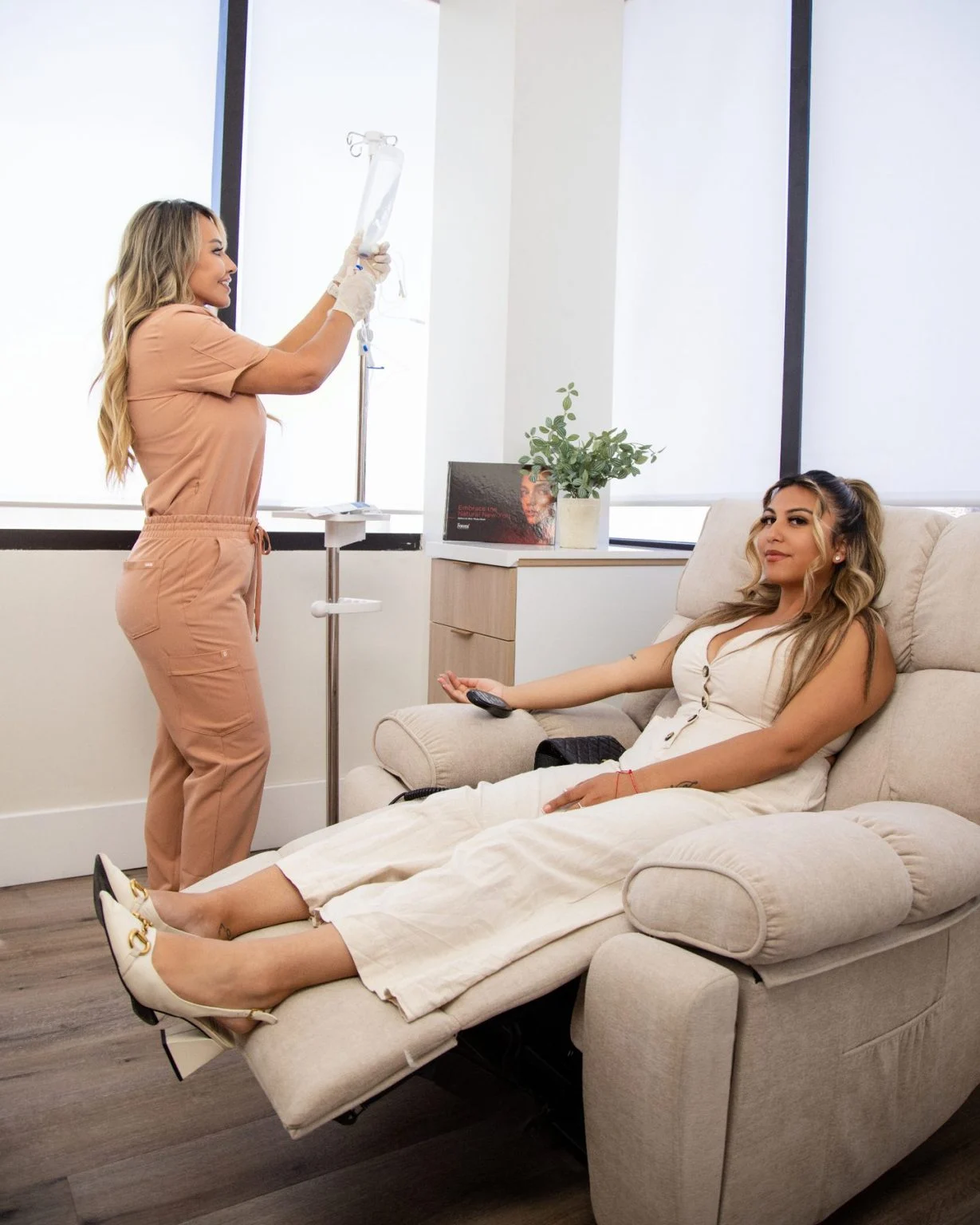
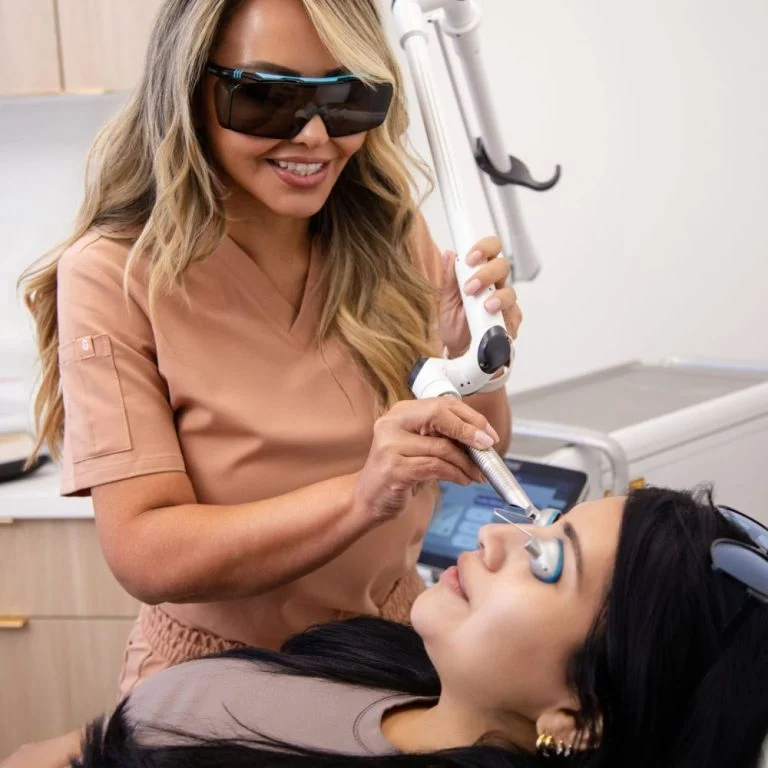
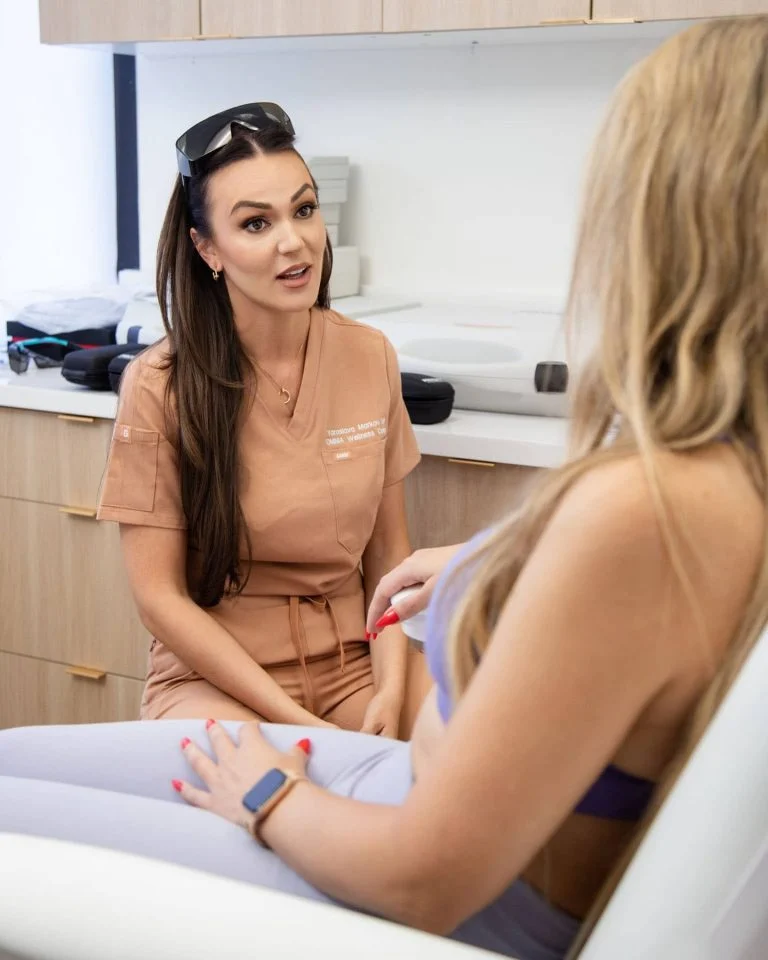
Smooth skin is rarely about a single issue. In practice, patients usually come in with a mix of concerns that overlap and feed into each other: early laxity around the jawline, acne texture on the cheeks, fine creasing under the eyes, enlarged pores that make makeup sit unevenly, or dullness that makes the whole face look tired even after rest. The appeal of Fotona Laser Treatments is that they can address several of those concerns without asking most people to disappear from work or social life for weeks.
That balance matters. Many skin treatments can produce visible change, but not everyone can manage a long recovery, dramatic peeling, or the uncertainty that comes with more aggressive resurfacing. Fotona has become popular in clinics for exactly this reason. It gives providers a flexible platform that can be adjusted to different skin concerns, treatment depths, and tolerance for downtime. When used well, it can tighten, refine texture, and improve overall skin quality in a way that looks believable rather than overdone.
The key phrase there is “when used well.” Laser treatment is not a one-size-fits-all service, and the device itself is only part of the story. Settings, patient selection, skin preparation, and aftercare all shape the final result. People often ask whether Fotona is “worth it,” but that question is too broad to be useful. A better question is whether a specific Fotona protocol matches your skin goals, timeline, and tolerance for recovery.
Why Fotona stands out
Fotona systems are known for combining different laser wavelengths and treatment modes, which gives practitioners room to tailor the treatment rather than force every patient into the same formula. In plain terms, that means the same platform can be used for gentle rejuvenation, deeper collagen remodeling, textural improvement, and certain tightening protocols.
One reason patients respond well to this approach is that smoother skin is not just about removing the top damaged layer. Surface resurfacing can help, but if the deeper support structure is weak, the result may be limited or short-lived. Fotona protocols often work by pairing controlled surface renewal with thermal stimulation beneath the skin. That heat encourages collagen remodeling over time, which is where many of the real improvements in firmness and texture come from.
Clinically, this matters because it broadens the conversation. Someone in their early thirties with post-acne roughness and enlarged pores may need a very different treatment plan from someone in their fifties who is more concerned with laxity and etched lines. A platform that can be adjusted for both situations is useful, provided the practitioner understands the difference.
Another advantage is precision. With laser energy, the depth and intensity can be controlled in ways that are difficult to replicate with more general skin treatments. That precision does not make the procedure risk-free, but it does allow for a more measured balance between effectiveness and recovery.
What “minimal downtime” really means
This is where expectations need a little discipline. Minimal downtime does not mean no visible aftermath. After Fotona Laser Treatments, many patients experience redness, a sensation similar to sun warmth, mild swelling, dryness, or temporary roughness. Depending on the protocol, some people look presentable within a day, while others need several days before the skin feels settled enough for meetings, events, or photographs.
A common mistake is assuming that downtime is the same for every Fotona treatment. It is not. A lighter collagen-stimulating session aimed at subtle rejuvenation might leave a patient pink for a few hours to a day. A stronger resurfacing treatment designed to improve texture and fine lines can create a few days of redness, bronzing, flaking, or a sandpapery feel. Both may technically fall under the umbrella of “minimal downtime” compared with surgery or deep ablative laser resurfacing, but they are not the same lived experience.
I often tell patients to think about downtime in three layers. First, there is visible downtime, what others can see. Second, there is functional downtime, how the skin feels when washing the face, applying products, or exercising. Third, there is social downtime, how confident you feel being seen up close. A treatment may score low on the first category and still feel high on the third if your work involves camera appearances or client-facing meetings.
That nuance is important because people usually do best when they plan around their real schedule, not an idealized version of it.
How Fotona helps create smoother skin
Skin smoothness is a combination of texture, pore appearance, tone, hydration, elasticity, and light reflection. Most people notice “rough skin” because light catches irregularities. Tiny acne scars, fine lines, dry patches, and enlarged pores all interrupt how the surface reflects light. Fotona Laser Treatments can improve that by supporting two mechanisms at once.
The first is controlled resurfacing. Depending on the settings used, the treatment can remove or disrupt portions of damaged superficial skin, encouraging a fresher, more even layer to emerge. This is particularly useful for rough texture, superficial pigment irregularity, and crepey surface changes.
The second is thermal collagen stimulation. Heat in the deeper layers triggers a wound-healing response. The body responds by remodeling collagen and, over time, improving the support network beneath the surface. The result is not instant in the way injectable filler can be instant. Instead, the skin gradually becomes firmer, more refined, and more resilient.
That is why the best results often appear in stages. Patients may see an early brightness or tightening effect in the first week or two, then more meaningful textural and firmness changes over the following months. When people expect a single dramatic overnight transformation, they can miss the value of that slow-build improvement. It tends to age well because it looks like your own skin, just healthier.
Concerns that respond especially well
Fotona is not a universal answer, but there are several concerns where it can perform very nicely. Mild to moderate textural irregularity is one of them. Patients who describe their skin as uneven, rough under makeup, or generally tired-looking often notice a meaningful improvement after a series.
Fine lines, especially around the eyes and mouth, can soften when the treatment is selected and delivered appropriately. Enlarged pores may also appear less obvious, particularly on oily or combination skin where pore edges have become more visible over time. Some patients with acne scarring, especially shallow or early textural scarring, also benefit, though scar treatment is usually more nuanced and may require multiple modalities rather than one laser alone.
Skin laxity is another area where Fotona can be useful, particularly in patients who are not ready for surgery and do not need a surgical result. A laser cannot replace a facelift, but it can create a fresher, tighter look in the right candidate. The distinction matters. Patients who understand that difference are usually happier than those who expect noninvasive treatment to behave like an operation.
Where results tend to be most satisfying
The strongest satisfaction often comes from patients with realistic goals and mild to moderate concerns. In that group, small gains across several categories add up. Skin may not just look smoother. It may also look calmer, brighter, tighter, and more even, which creates a bigger visual payoff than chasing one isolated flaw.
People with severe skin laxity, deep acne scars, heavy sun damage, or very advanced wrinkling can still improve, but they may need a more layered treatment plan. That could mean multiple Fotona sessions, other energy-based treatments, skincare support, or in some cases a surgical consultation. Good practitioners say that plainly, and it is usually a sign of experience rather than hesitation.
The treatment experience in real life
A typical Fotona appointment starts with photography, cleansing, and a review of the day’s plan. Numbing may or may not be used depending on the settings and treatment area. Not every protocol requires it. Some patients describe the sensation as warmth with quick snaps, while others feel a prickly heat that becomes more noticeable in thinner skin areas.
Treatment times vary. A focused session on a small area may be relatively quick, while a more comprehensive full-face treatment takes longer, especially if multiple passes or modes are used. Some protocols also include intraoral treatment, especially when the goal includes perioral tightening. That surprises some patients the first time they hear about it, but it is one of the ways certain Fotona approaches target tissue support from different angles.
Immediately afterward, the skin often looks flushed. A mild sunburned appearance is common. With stronger treatments, edema can develop, particularly around the eyes. Makeup timing depends on the treatment intensity, but many providers advise waiting until the skin barrier has settled. That instruction is worth following. Freshly treated skin does not benefit from being pushed too quickly back into a full routine.
Pain is a fair question, and the honest answer is that comfort varies. Some sessions are easy to tolerate, others are more intense, especially in sensitive areas or with more aggressive settings. Patients who do best are the ones who know in advance what level of sensation to expect and why that particular intensity is being chosen.
Who tends to be a good candidate
Not every patient seeking smoother skin is automatically a good match for Fotona Laser Treatments. Candidacy depends on skin type, current tan, medical history, the presence of melasma or post-inflammatory pigmentation tendencies, medication use, active acne or infection, and the specific problem being treated.
The most straightforward candidates usually have mild to moderate signs of aging or texture change, a stable skincare routine, and room in their schedule for a few days of skin recovery if needed. They are also willing to follow aftercare instructions and protect the skin from sun exposure, which becomes especially important after laser treatment.
A few situations call for extra thought:
- patients with darker skin tones may still be candidates, but settings and protocol selection must be handled carefully to reduce pigment risk
- those with melasma need a cautious plan, since heat can sometimes aggravate pigmentation rather than improve it
- patients with active breakouts, eczema flares, or barrier disruption often do better if those issues are stabilized first
- anyone expecting one session to erase years of sun damage, laxity, and scarring will need a more grounded consultation
- people planning a wedding, public appearance, or vacation in intense sun should time treatment conservatively
That list is not meant to discourage. It reflects what experienced clinics already know: better screening leads to better outcomes.
The value of a series, not just one appointment
Single sessions can absolutely freshen the skin, and some people are pleased after one treatment. But smoother, firmer, more refined skin usually develops best through a series. The skin remodels gradually, and repeated controlled stimulation often gives more durable and visible change than a one-off session.
A common pattern in aesthetic practice is that patients underestimate the cumulative effect of moderate treatments. They compare one laser session to the fantasy of a dramatic before-and-after image, then feel unsure. Three thoughtfully spaced sessions, however, can produce a very different level of improvement, especially for texture, pores, and mild laxity.
This does not mean endless maintenance or overtreatment. It means using enough treatment to actually move the needle. In many cases, providers recommend an initial series followed by periodic maintenance based on how the skin responds, the patient’s age, sun exposure, skincare habits, and ongoing goals.
There is also a practical financial point here. Patients sometimes spread treatment too far apart or dilute the plan to the point that it becomes inefficient. A realistic treatment course, even if it requires commitment up front, often provides better value than repeated mild sessions that never reach an effective threshold.
Aftercare is part of the treatment
One of the quiet truths of laser work is that aftercare influences satisfaction more than many people realize. The treatment may take under an hour, but the skin’s repair process unfolds over days and weeks. Support that process well, and the result is usually smoother. Disturb it, and irritation can linger longer than necessary.
Immediately after treatment, the skin generally needs gentle handling. Most practitioners recommend a bland moisturizer, sun protection, and temporary avoidance of strong actives such as retinoids, exfoliating acids, and certain brightening agents until the barrier has recovered. Exercise, saunas, steam, hot yoga, and heavy sweating may need to pause briefly, especially after stronger sessions, because excess heat can increase redness and discomfort.
These basic habits make a real difference:
- keep the skin hydrated with simple, non-irritating products
- wear broad-spectrum sunscreen diligently, even on cloudy days
- avoid picking, scrubbing, or prematurely exfoliating flaking skin
- pause aggressive actives until your provider says the barrier is ready
- call the clinic if redness, swelling, or irritation seems to escalate rather than improve
Patients are sometimes tempted to “help” the peeling process along. That almost never ends well. Let the skin detach at its own pace. Forced exfoliation can create rawness, prolong redness, and increase the risk of unwanted pigment change.
Trade-offs worth discussing before you book
A good consultation should include the upside and the limitations. Fotona can be impressive, but no laser is magic. Surface texture can improve without every scar disappearing. Fine lines can soften while dynamic expression lines remain. Mild sagging can tighten while structural volume loss still shows. Patients tend to be happiest when they understand what category of change they are buying.
The other trade-off is the relationship between results and downtime. Generally speaking, stronger sessions can produce more visible change, but they also carry a higher chance of redness, swelling, peeling, and temporary social disruption. Lighter sessions are easier to fit into a normal week, but they usually require more patience and repetition.
There is also operator variability. Two clinics may both advertise Fotona Laser Treatments, yet deliver very different experiences and results. Device settings, treatment planning, overlap technique, and patient education matter. A rushed laser appointment often shows it. So does a thoughtful one.
This is why credentials alone are not enough. Look for a practitioner who can explain why they are recommending a particular protocol for your skin, what alternatives they considered, what kind of recovery to expect, and what they would do if your skin reacts more strongly than average. Specific answers are usually more reassuring than glossy promises.
Comparing Fotona with other common options
Patients often ask how Fotona compares with microneedling, radiofrequency treatments, fractional resurfacing, or chemical peels. The honest answer depends on the main complaint. For very mild dullness, a peel may be enough. For acne scars, a combination approach may outperform a single device. For laxity, a heat-based collagen treatment may matter more than superficial exfoliation alone.
Where Fotona often earns its place is in versatility. It can sit in the middle ground between very light refresh treatments and more aggressive resurfacing. That makes it attractive to people who want real improvement but cannot commit to a major recovery period. It also helps providers build plans that evolve. A patient might start with a gentler rejuvenation approach, then progress to stronger textural work once they know how their skin responds.
That said, not everyone needs a platform with multiple capabilities. Sometimes the best treatment is the simplest one. If a patient’s main issue is pigment, a different laser or a topical-led approach may be more sensible. If the issue is volume loss, no amount of resurfacing will replace what filler or biostimulation may address more directly. Good aesthetic medicine is often about restraint, not maximalism.
Timing, cost, and planning around real life
The best time for laser treatment is when you can protect your skin and respect the healing window. Fall and winter tend to be easier for many patients because sun exposure is easier to manage, but the calendar should also account for work events, travel, weddings, and photography. If you have something important on the horizon, build in more buffer than you think you need.
Cost varies widely by region, provider expertise, treatment area, and protocol complexity. A quick price quote without context is rarely useful. What matters more is whether you are paying for a treatment plan that matches your concern. A lower-cost session that is too mild for your needs can become more expensive in the long run than a well-chosen series that actually produces visible progress.
I have https://andyttny606.cavandoragh.org/how-fotona-laser-treatments-help-reveal-clearer-skin seen patients make better decisions once they stop asking, “What does one session cost?” and start asking, “What result is realistic for my skin, how many treatments are usually needed, and what downtime should I budget?” That reframing turns the conversation from marketing into treatment planning.
What to ask during a consultation
A consultation should leave you with a clear sense of fit, not just excitement. You should understand which concern is being targeted first, why the provider believes Fotona is the right tool, what the treatment intensity will be, and what kind of recovery you should expect on your skin, not on the “average patient.”
Ask to see examples of cases similar to yours if the clinic has them. Not every before-and-after image is equally useful. Someone with different skin type, age, laxity level, or scar pattern may not tell you much about your own likely outcome. It is also reasonable to ask what the backup plan is if you want more improvement after the initial series.
A strong consultation often feels a little unglamorous because it includes practical details: sun avoidance, downtime logistics, skincare adjustments, outbreak prevention if you are prone to cold sores, and the possibility that your provider may advise delaying treatment until your skin is calmer or your schedule is better. That sort of honesty is often a good sign.
The bottom line on smoother skin with less interruption
Fotona Laser Treatments occupy a useful space in aesthetic medicine because they can create genuine improvement in skin texture, tone, pores, fine lines, and mild laxity without the prolonged recovery associated with more aggressive procedures. For many patients, that balance is exactly what makes treatment feasible.
The best results tend to come from clear goals, appropriate expectations, and a provider who treats the skin in front of them rather than the protocol on a brochure. When the treatment is matched carefully to the person, smoother skin does not have to come at the cost of a dramatic recovery. It can happen through measured, controlled change, the kind that builds steadily and still lets you get on with your life.
OMNIA Wellness Center
Address: 16430 Ventura Blvd Ste 207, Encino, CA 91436
Phone number: +18183868511
FAQ About Fotona Laser Treatments
What is a Fotona laser good for?
A Fotona Laser system is a versatile, dual-wavelength medical laser used primarily for non-surgical skin tightening, anti-aging rejuvenation, and dermatological treatments.
How much does the Fotona laser cost?
The cost of a Fotona laser depends heavily on whether you are looking to purchase a laser machine for a medical practice or are a patient seeking a laser treatment at a medspa.
Is a Fotona laser worth it?
A Fotona laser treatment is generally worth it if you want non-surgical skin tightening, improved texture, and collagen stimulation with very little downtime.